Table of Contents
- Why Contractor Communication Strategies Matter for Project Success
- Establishing Clear Communication Channels and Expectations
- Building a Construction Project Management Communication Plan
- Running Effective Construction Site Meeting Agenda Templates
- Selecting the Best Construction Management Software for Owners
- Documentation, Transparency, and Budget Tracking
- Resolving Construction Disputes with Contractors Professionally
- Frequently Asked Questions
Last Updated: September 25, 2026
Why Contractor Communication Strategies Matter for Project Success
Poor communication between owners and contractors ruins projects. Budgets blow up. Timelines slip. Quality suffers. What starts as a shared vision becomes a frustration.
The difference between a project that runs smoothly and one that derails often comes down to one thing: how well the owner and contractor talk to each other. Solid contractor communication strategies prevent misunderstandings before they become expensive problems.
When communication breaks down, small issues compound. A contractor misunderstands the scope. The owner assumes something was included that wasn’t. A change order appears without warning. Suddenly, you’re three months behind and tens of thousands over budget. Proactive documentation and clear alignment on project boundaries remain the most effective defenses for managing scope creep throughout the construction process.
The fix isn’t complicated. It’s about setting expectations early, documenting everything, and staying aligned throughout the project. This guide walks you through practical contractor communication strategies for owners that work in real projects.
Establishing Clear Communication Channels and Expectations
Your first conversation with a contractor sets the tone for everything that follows. This is where you establish how you’ll actually communicate day-to-day.
Define your preferred channels upfront. Email works for formal documentation. Text or phone calls handle urgent issues. Weekly meetings keep everyone aligned. Pick what works for your schedule, then stick to it.
Put your communication expectations in writing before work starts:
- Response time for questions (24 hours is standard)
- Who the main contact is on each side
- How changes get approved and documented
- When and where meetings happen
- What information gets shared and how often
This clarity prevents the frustration of unanswered messages or missed meetings. Everyone knows the rules.
Building a Construction Project Management Communication Plan
A construction project management communication plan is your roadmap. It outlines who needs to know what, when they need to know it, and how they’ll find out.
Start with a stakeholder list: owner, general contractor, architect, engineer, subcontractors, inspectors. Each person plays a role. Each needs specific information at specific times.
Your plan should cover:
- Daily site updates (what’s happening today, what’s coming tomorrow)
- Weekly progress reports (work completed, upcoming tasks, any issues)
- Monthly budget reviews (spending to date, projected final cost)
- Change order process (how requests get submitted, reviewed, approved)
- Issue escalation (when problems go up the chain)
Document this in writing. Share it with everyone involved. Refer back to it when questions arise. A written plan removes guesswork about who should be doing what.
Running Effective Construction Site Meeting Agenda Templates
Meetings keep projects on track, but only if they’re structured. A poorly run meeting wastes everyone’s time. A well-run meeting solves problems and aligns the team.
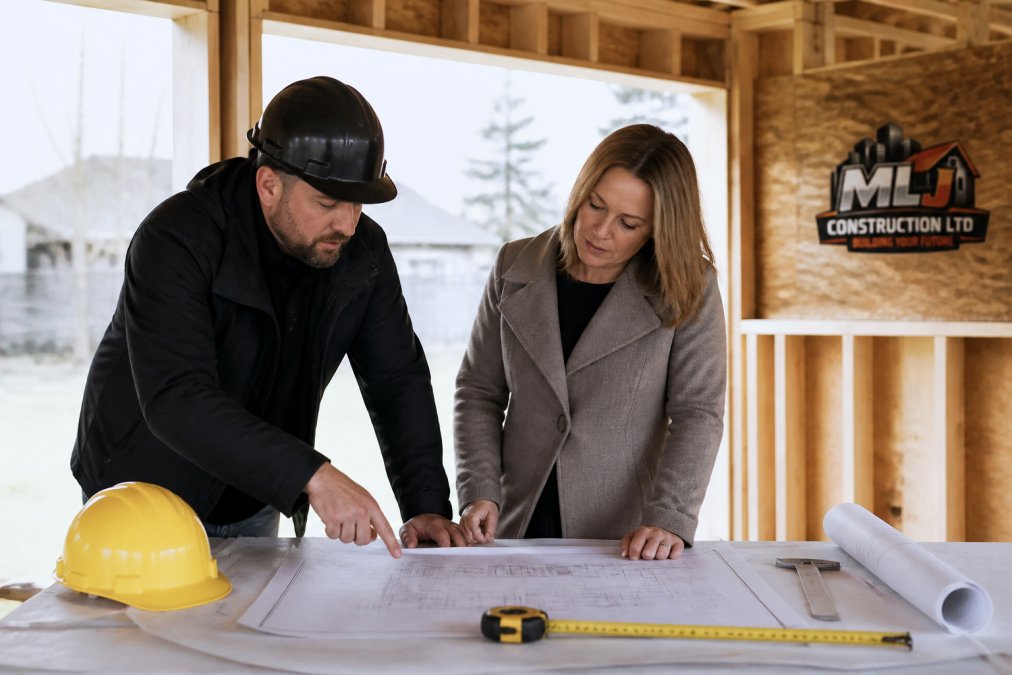
Use a consistent agenda template for every meeting:
- Review last week’s action items (2 minutes), Did we do what we said we’d do?
- Current week progress (5 minutes), What’s been completed?
- Next week’s schedule (5 minutes), What’s coming up?
- Budget and change orders (3 minutes), Any cost updates or pending approvals?
- Issues and risks (5 minutes), What could go wrong? How do we fix it?
- Action items (2 minutes), Who’s doing what by when?
Keep meetings to 20-30 minutes. Stick to the agenda. Assign action items with clear owners and deadlines. Send a summary email after each meeting with what was decided and who’s responsible for what.
Regular site meetings prevent the “I thought you were handling that” problem. Everyone leaves knowing exactly what’s expected.
Selecting the Best Construction Management Software for Owners
Modern software makes communication easier, but only if it’s the right fit for how you and your contractor actually work. The wrong tool creates friction; the right one becomes the single source of truth for your project.
Before you choose, ask your contractor what they already use. Many general contractors operate on various platforms. If your contractor is already logging daily reports, uploading photos, and tracking RFIs on their system, adopting the same platform eliminates duplicate data entry and keeps information flowing in one direction.
If your contractor doesn’t use software yet, or uses something unfamiliar to you, look for these owner-critical features:
Document Management: Blueprints, permits, contracts, and change orders stored in version-controlled folders. You need to know which version of the plans is current and who has access to what.
Daily Logs and Photo Documentation: The contractor uploads what happened on site each day, work completed, materials delivered, weather delays, safety incidents. This creates an audit trail and prevents “I thought that was done” arguments weeks later.
RFI (Request for Information) Tracking: Questions get logged with a timestamp, assigned to the right person, and marked resolved only when answered. No more lost emails or forgotten clarifications.
Budget and Cost Tracking: Real-time visibility into invoices, change orders, and spending against your approved budget. You should see actual costs within days of invoice submission, not at month-end.
Change Order Workflow: Requests come in, you review the cost and timeline impact, you approve or reject, and the approval is timestamped and documented. This prevents the “I didn’t approve that” dispute.
Team Messaging: Quick updates and site photos without formal emails. But ensure these are logged in the system, not lost in chat threads.
Implementation matters as much as the tool itself. When you onboard your contractor, set clear expectations:
- Daily logs are due by 5 p.m. each workday (or whatever cadence suits your project).
- All photos of completed work must be uploaded before the next phase begins.
- RFIs get a response within 24 business hours, or they escalate to you directly.
- Change orders are not work, they’re requests that sit in the system until approved.
- Budget reports are reviewed together at your weekly meeting.
Assign one person on your side to monitor the system daily. If logs aren’t being updated or photos aren’t appearing, address it immediately. A tool only works if both parties actually use it.
Many owners make the mistake of selecting software, then assuming the contractor will figure it out. That’s how you end up with an unused platform and contractors still emailing you photos and updates. Spend 30 minutes in your first week walking through the system together.
Documentation, Transparency, and Budget Tracking
Everything important should be in writing. Email threads, meeting notes, change order approvals, budget updates, keep it all.
Your documentation should include:
- The original scope of work (what you agreed to at the start)
- Any changes to scope (with approval and cost impact)
- All change orders (formal, signed, with budget impact)
- Meeting minutes (what was discussed, what was decided)
- Daily logs from the site (what work happened, any issues)
- Budget tracking (what’s been spent, what’s remaining)
Resolving Construction Disputes with Contractors Professionally
Disagreements happen on every project. A contractor misses a deadline. Quality doesn’t meet the specification. A change order appears that you didn’t authorize. How you handle these moments determines whether the relationship strengthens or fractures.
Start with Documentation, Not Emotion
Before you have any conversation, gather the facts:
- What was supposed to happen? (Reference the scope of work, contract, or email confirmation.)
- What actually happened? (Include dates, photos, or site logs.)
- What’s the impact? (Timeline delay, budget overrun, quality gap, be specific.)
- What do you need to happen next? (Fix, rework, credit, timeline adjustment.)
Use a Structured Conversation Framework
1. State the issue factually (not accusingly):
2. Reference the written agreement:
3. Acknowledge their perspective (if valid):
Avoid: Making excuses for them or dismissing their constraints.
4. Propose a specific solution with a timeline:
Avoid: “Fix it” or “Make it right” without specifics.
5. Confirm understanding and document the resolution:
After the conversation, send an email:
Subject: Follow-up – Drywall Finish Issue, Upstairs Bedroom
Handle Budget and Timeline Disputes Early
For budget overruns:
For timeline delays:
When Direct Conversation Doesn’t Work
- Put it in writing formally. Send a letter (email is acceptable) outlining the issue, the contract reference, and what you need to happen. Keep it factual and professional.
- Copy the right person. If you’ve been talking to the site supervisor, copy their project manager or the contractor’s owner.
- Reference the contract. Most contracts have a dispute resolution clause. Follow it. It may require mediation or a formal notice period before legal action.
- Preserve your rights. If the issue is serious (safety, major quality failure, significant budget overrun), consult a lawyer before taking action. Don’t withhold payment or stop work without legal advice.
Build Trust Through Consistency
Frequently Asked Questions
How often should I communicate with my general contractor during a project?
Regular communication prevents misunderstandings and keeps projects on track. Weekly site meetings are standard for most residential and commercial projects. For larger projects like whole-home renovations or industrial contracting, twice-weekly or daily check-ins may be necessary. The frequency depends on project complexity and scope. Establish a communication schedule upfront in your contractor communication strategies and adjust as needed based on milestones and critical phases.
What should be included in a construction project management communication plan?
A solid construction project management communication plan covers: primary contacts and escalation procedures, preferred communication methods (email, phone, in-person), meeting schedules and agendas, documentation standards, change order procedures, progress reporting frequency, and conflict resolution steps. Include stakeholder coordination details, site safety protocols, and how regulatory messaging will be handled. Define roles and responsibilities clearly so everyone understands accountability. Written agreements prevent costly misunderstandings.
How can clear communication prevent budget overruns on construction sites?
Clear communication prevents scope creep and unexpected costs. When change orders are documented in writing and discussed immediately, owners understand the budget impact before work begins. Regular budget tracking meetings ensure costs stay transparent. Written agreements define the scope of work upfront, reducing misunderstandings. Proactive communication about material delays or site conditions allows contractors to flag cost implications early. Real-time updates on expenses help owners make informed decisions before small changes become expensive problems.
What’s the best way to handle disagreements with my contractor professionally?
Address conflicts early and directly. Schedule a private conversation rather than discussing issues on the job site. Reference your written agreement and documentation to ground the discussion in facts. Use email to confirm what was discussed and agreed upon. Focus on the issue, not blame. If disagreement persists, involve a neutral third party like a project manager or mediator. Many disputes arise from miscommunication, so clarify expectations before assuming the worst. Professional conflict resolution protects the project timeline and your working relationship.