Table of Contents
- Why Verifying Contractor Workmanship Quality Matters
- Contractor Reference Check Questions to Ask
- Construction Quality Control Checklist Before Work Begins
- Red Flags When Hiring a General Contractor
- Inspecting Work During the Project
- Final Inspection and Quality Assurance
- Frequently Asked Questions
Last Updated: October 4, 2026
Why Verifying Contractor Workmanship Quality Matters
When you hire a general contractor for a renovation, kitchen remodel, or addition, the stakes are high, and you need to verify contractor workmanship at every stage. You’re investing significant time and money, and the work needs to be done right the first time.
Many homeowners don’t spot quality workmanship until problems surface months or years later. The best time to catch issues is before they’re covered up or finalized.
Verify contractor workmanship at three stages: before hiring (track record), during construction (quality standards), and at completion (finished work against your agreement). This guide shows you how to do that verification at every stage.
Quality work shows in details: material specifications, building code compliance, and proper installation techniques. Learning to spot these details protects your investment.
Contractor Reference Check Questions to Ask
Before you sign a contract, talk to past clients. Their answers reveal how a contractor actually works.
Questions About Project Completion and Timeline
Ask: “Did the project finish on the promised date?” and “Were there delays?” Legitimate delays happen (weather, permits, supply chain), but contractors who blame clients for every delay are problematic. Also ask: “Did the contractor communicate clearly about the timeline?” Good contractors keep clients informed.
Questions About Quality and Workmanship
Ask: “Are you satisfied with the workmanship quality?” Hesitation suggests dissatisfaction; enthusiastic, specific answers indicate genuine satisfaction. Also ask: “Did the contractor fix issues without pushing back?” and “Would you hire this contractor again?” A yes means the experience was positive enough to repeat.
Questions About Budget and Communication
Ask: “Did the project stay within budget?” and “Were there change orders?” Also ask: “How did the contractor handle unexpected issues?” Good contractors explain problems, present options, and get approval before proceeding. Finally, ask: “Was the contractor easy to reach?” Responsiveness during the project predicts responsiveness after completion.
Construction Quality Control Checklist Before Work Begins
Before the first nail is driven, verify that your contractor meets basic professional standards.
Verify Business License and Insurance
Ask to see a valid business license and note the expiration date. Request proof of liability insurance and workers’ compensation coverage, with a certificate naming you as an additional insured. A contractor who won’t provide this is not someone you want on your project.
Review Written Contract and Scope of Work
A written contract must specify: project description, start/completion dates, total price and payment schedule, materials provided, warranty terms, change order process, and permit/inspection responsibility. “Kitchen renovation” is too vague; “Install new cabinets, countertops, backsplash, and flooring per attached specifications” is clear. Reference material specifications to prevent unauthorized substitutions.
Confirm Material Specifications and Building Code Compliance
Ask your contractor: “What materials will you use?” Get brand names and product specifications in writing. Ask them to confirm that the design and materials comply with current building codes in your jurisdiction. For major renovations like Kitchen Renovations or Bathroom Remodeling, your contractor should manage the permit process and ensure inspections happen at required stages.
Red Flags When Hiring a General Contractor
Red flags include: unwillingness to provide references; no written contract or vague terms; pressure for large upfront deposits (standard is 10-25%); reluctance to discuss building codes or permits; no liability insurance or workers’ compensation; unavailability or poor responsiveness; vague pricing or refusal to provide an itemized bid.
Inspecting Work During the Project
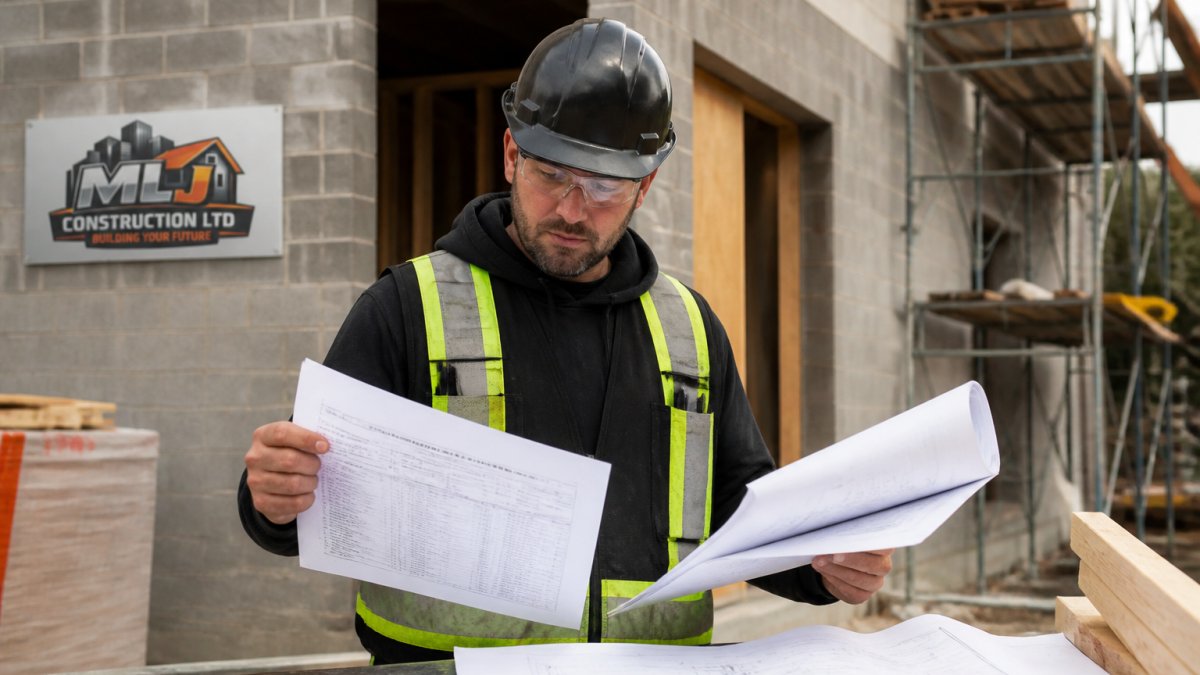
Regular site inspections during construction catch problems early, when they’re easier and cheaper to fix. The key is knowing what to look for at each trade and stage, not just whether work looks finished, but whether it meets installation standards.
Establishing a Site Inspection Schedule
Agree on an inspection schedule before work begins. For residential projects, weekly inspections work well. Schedule inspections at key milestones: before work begins, after framing, after rough electrical/plumbing/HVAC, after drywall, and before final inspection. Document each inspection with photos and notes. Request progress photos from your contractor between visits.
What to Look for During Progress Inspections: Trade-Specific Quality Checks
Framing and Structural Work
Once framing is exposed, inspect for: studs plumb (use a level), headers properly sized and supported, no visible cracks or warping, blocking installed where fixtures will attach. Ask: “Are these studs spaced appropriately?” Inconsistent spacing signals poor framing discipline.
Electrical and Plumbing (Rough-In Stage)
Drywall Installation and Taping
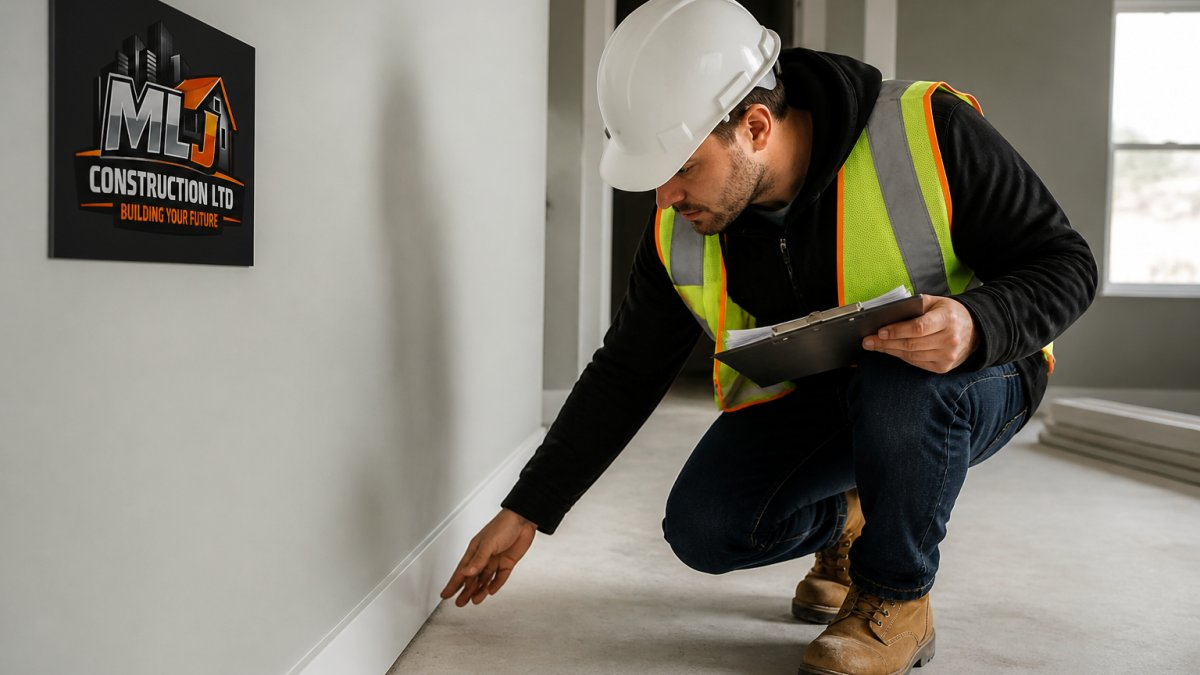
Check drywall for: sheets cut cleanly and fit tightly, seams taped with joint compound in three coats minimum, no visible tape edges or ridges. Run your hand across a finished wall, you should feel no bumps, ridges, or tape lines.
Flooring Installation
For tile: grout lines consistent in width, no lippage, tiles level, grout packed fully, caulk at corners. For wood or laminate: planks staggered, gaps uniform, transitions properly trimmed, no cupping or warping.
Painting and Finishing
Check that paint is applied in two coats minimum, uniform in color and sheen with no drips or sags, trim painted straight with clean lines, caulk smooth and paintable-grade (not silicone), and no paint on hardware or fixtures.
Cabinet Installation
Check that cabinets are level, doors and drawers open and close smoothly, gaps between doors uniform, cabinet backs secured to wall studs, and shelves level without sagging.
Material Quality and Storage
Check that materials are stored properly, site is clean and organized with debris removed regularly, protective coverings used on finished surfaces, and tools organized. Sloppy site management often correlates with sloppy workmanship.
Ask Questions and Request Explanations
Ask your contractor to explain their work: “Why are you using that method?” “How does this meet code?” “What’s the next step?” Defensive responses or refusal to explain are warning signs. A quality contractor takes pride in explaining their work.
Final Inspection and Quality Assurance
Before you make the final payment, conduct a thorough inspection of completed work. This is your last opportunity to catch defects and require corrections before the contractor leaves the site.
Physical Site Inspection Checklist
General Cleanliness and Site Condition: All construction debris removed, surfaces clean and free of dust/drips/residue, protective coverings removed, site swept and vacuumed.
Doors and Windows: All doors and windows open and close smoothly, frames plumb and square, hardware secure and functional, weatherstripping intact, caulk smooth and complete.
Flooring: Surface clean and free of debris. For tile: grout lines consistent, no lippage, tiles level. For wood/laminate: planks staggered, gaps uniform, no cupping.
Electrical and Plumbing: Outlets and switches level and secure, lights functional, faucets and fixtures don’t leak, water pressure adequate, drains flow freely, HVAC operates and maintains temperature.
Structural and Safety: No visible cracks (hairline cracks in drywall are normal), stairs secure with level treads, railings secure and code-compliant, no gaps or trip hazards.
Take photos of any issues and create a punch list. The contractor should address these before final payment.
Verify Work Against Specifications and Building Code
Material Specifications
- Verify that materials used match the specifications in your contract (brand names, product lines, colors, finishes)
- Ask your contractor to provide product documentation for major materials (flooring, paint, fixtures, appliances)
- For custom work, compare the finished product to approved samples or mockups
Building Code Compliance
- Request the final building inspection report from your municipality. This confirms that an inspector has verified code compliance.
- For electrical work, verify that a licensed electrician performed the installation and that it passed inspection
- For plumbing, verify that a licensed plumber performed the installation and that it passed inspection
- For structural work (additions, renovations affecting load-bearing walls), confirm that an engineer reviewed the design and that inspections were completed
- For HVAC, confirm that the system is properly sized and installed according to manufacturer specifications
If your project required permits, the final inspection report is your proof that the work meets code. If your contractor skipped permits or inspections, you have no official verification of code compliance, and you may face issues when selling your home or filing an insurance claim.
Workmanship Warranty vs. Manufacturer Warranty
Understand the difference between these two types of coverage, they protect different things:
Contractor Workmanship Warranty
This covers the quality of the contractor’s labor and installation. A typical workmanship warranty covers:
- Defects in installation (e.g., tiles that come loose, drywall that cracks due to poor taping, paint that peels due to improper surface prep)
- Workmanship defects for 1-2 years from completion
- Does NOT cover damage from misuse, lack of maintenance, or normal wear and tear
- Does NOT cover manufacturer defects in materials
Example: If drywall seams crack within one year due to poor taping, the contractor’s workmanship warranty covers the repair. If a tile comes loose because the contractor didn’t use enough adhesive, the workmanship warranty covers re-setting the tile.
Manufacturer Warranty
This covers defects in the product itself. Coverage varies by product:
- Paint: typically 5-10 years against peeling or fading (if applied per manufacturer specs)
- Flooring: typically 5-25 years depending on product (laminate, vinyl, hardwood, tile)
- Appliances: typically 1-5 years depending on type and coverage level
- Fixtures: typically 1-5 years
- Roofing: typically 10-50 years depending on material
Example: If paint peels within two years due to a manufacturing defect (not due to improper surface prep), the paint manufacturer’s warranty covers replacement paint. If a laminate floor delaminates within the warranty period due to a manufacturing defect, the flooring manufacturer covers replacement.
Get Warranties in Writing
Before final payment, request written documentation of both warranties:
- Contractor workmanship warranty: what’s covered, duration, exclusions, how to claim
- Manufacturer warranties: for all major materials and appliances (paint, flooring, cabinets, appliances, fixtures)
A contractor who refuses to provide a workmanship warranty or offers only a very short term (less than one year) signals that they don’t stand behind their work. This is a red flag.
For specialized work (concrete finishing, roofing, structural steel), ask about specific guarantees:
- Concrete: should be sealed and protected according to industry standards; ask about warranty against cracking or spalling
- Roofing: ask about warranty against leaks and material defects
- Structural work: ask about warranty against settlement, cracking, or failure
Create a Maintenance Plan
Before the contractor leaves, ask for a maintenance plan for the work completed. This helps you preserve the warranty and keep the work in good condition:
- How often should you seal grout or caulk?
- What cleaning products are safe for the new finishes?
- Are there any seasonal maintenance tasks (e.g., caulking exterior gaps before winter)?
- What should you do if you notice a defect?
A professional contractor provides this guidance. It shows they expect their work to last and want you to maintain it properly.
Frequently Asked Questions
What are the most important questions to ask when checking contractor references?
Ask past clients about project completion timelines, whether the work stayed within budget, the quality of workmanship, how the contractor handled problems, and whether they would hire them again. Request permission to visit completed projects to see the quality firsthand. Ask specifically about how the contractor managed subcontractors and whether the site was kept clean and safe throughout the project.
How do I verify a contractor has proper business licensing and liability insurance?
Request proof of a current business license and liability insurance certificate before signing a contract. Contact your provincial licensing authority to confirm the license is active and in good standing. Ask for workers compensation coverage proof if the contractor employs staff. Verify insurance directly with the insurance provider listed on the certificate, not just by accepting a copy from the contractor.
What are common red flags that indicate poor contractor quality?
Watch for contractors who avoid written contracts, offer bids significantly lower than competitors, refuse to provide references, lack proper insurance or licensing, pressure you to pay large upfront deposits, or guarantee results in writing. Avoid contractors who cannot clearly explain their project timeline or scope of work, use vague material specifications, or dismiss your questions about building code compliance.
How can I inspect workmanship quality during a project?
Schedule regular site visits at key phases: framing, electrical rough-in, plumbing rough-in, and before finishing work. Check that materials match the contract specifications, joints and seams are straight and even, paint is applied smoothly without drips or brush marks, and flooring is level and properly installed. Look for site cleanliness, proper safety practices, and subcontractor professionalism. Document any concerns in writing and discuss them immediately with the contractor.